How Does Fabrication Automation Allow Shop Labor To Do More Valuable Work?
Richard Burroughs IV, CEO at EVOLVE
Data-retrieval automation eliminates non-value-added labor tasks:
Today, a large portion of labor time in an electrical shop is spent on information retrieval, not fabrication. The latter is productive time. The former is non-value-added.
Automation significantly reduces time spent in information retrieval:
Barcode scans immediately provide fabrication instruction to a CNC Bender, bend data corrected for springback and elongation and ready for fabrication.
A proper publishing software workflow from design model to shop floor allows the elimination of manual measurement of conduit for marks.
Labor time shifts from “figuring out what to do” to “executing work”. Work becomes repeatable and consistent, regardless of worker skill level.
Achieve a leveraged labor output:
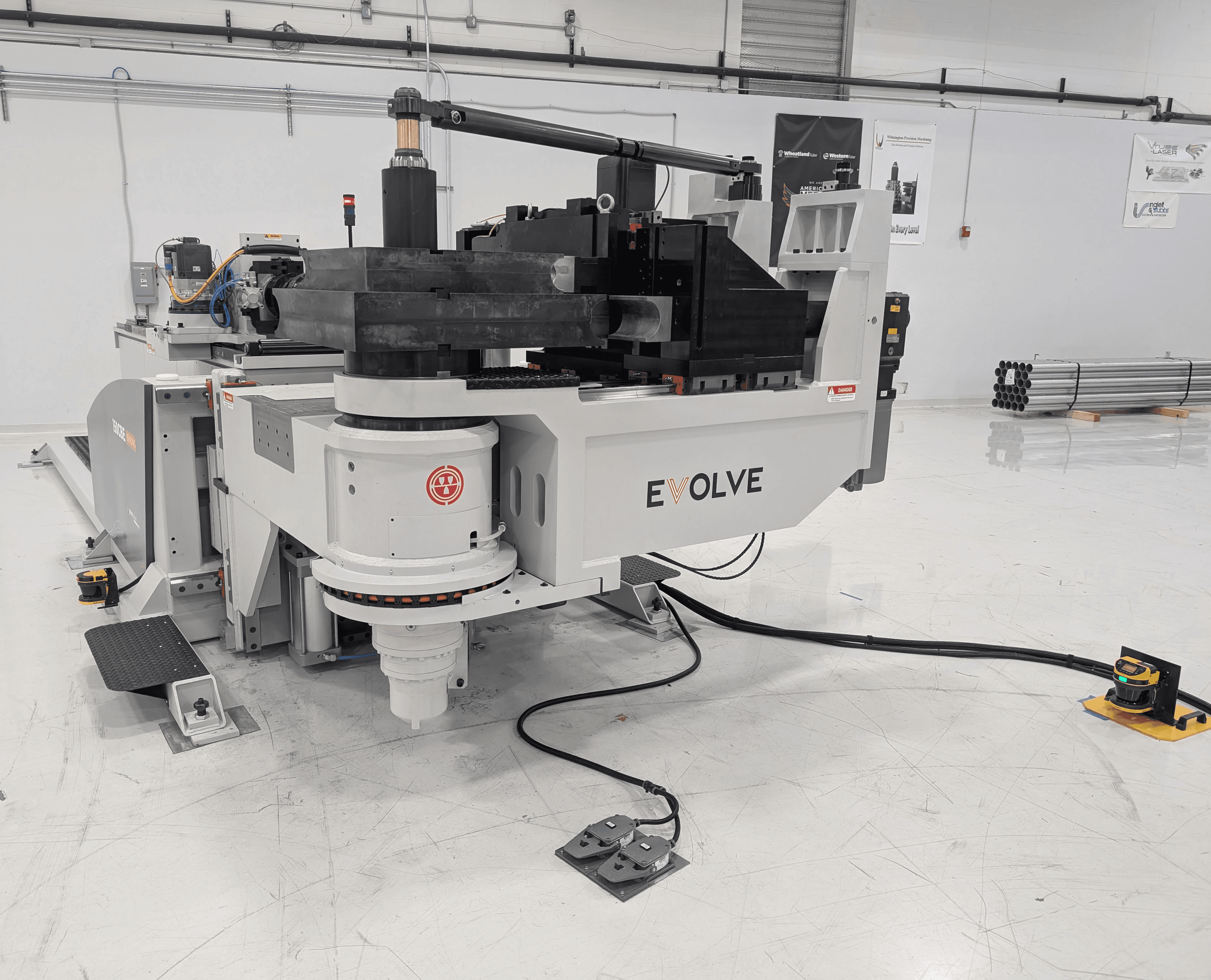
One worker can produce 80-100+ bends a day of any diameter through the use of CNC benders. The CNC bender requires a single individual, vs multiple individuals operating large-diameter traditional benders or multiple work cells fabricating different diameter conduit bends. The productivity of that one worker is significantly higher than manual methods.
One CNC bender can house multiple toolings for different diameters, resulting in less idle time.
Result is faster cycle time per part, higher throughput per shift, less idle machine time. Machines product consistently with less waste from errors.
Design to machine automation reduces waste:
Human laborers can misread drawings, fabricate to the wrong bend orientation or conduit length, or fabricate in the wrong sequence based off of missing information.
Machine automation provides a central view for organizing pick lists and referencing those in the same view against work order scheduling. Machines fabricate to exact modeled design spec, every time.
Machine automation shifts labor to a higher form of value:
Part fabrication is taken on by machines, to the direct productivity gains described above. This frees up labor to spend its time on the higher-value tasks of creating finished assemblies.
Why is this important? Finished assemblies drive the promised gain of prefabrication: significantly higher field installation throughput.
The above concepts illustrated:
Shop 1: labor is allocated significantly to manually fabricating bends, cutting strut, writing labels.
Shop 2: labor is allocated significantly to creating conduit racks, Skids, and kitted installed packages.
Shop 2 will realize a significantly higher share of prefabricated material of total installed material, higher ROI on shop space and equipment, and significant leverage where it matters: field installation.
In sum, transitioning from manual fabrication to shop automation aligns electrical shops with manufacturing principles, unlocking scale, predictability, and throughput of field installed material.
Want to learn more about EVOLVE Fabrication? Request more information here: EVOLVE Fabrication - EVOLVE MEP